
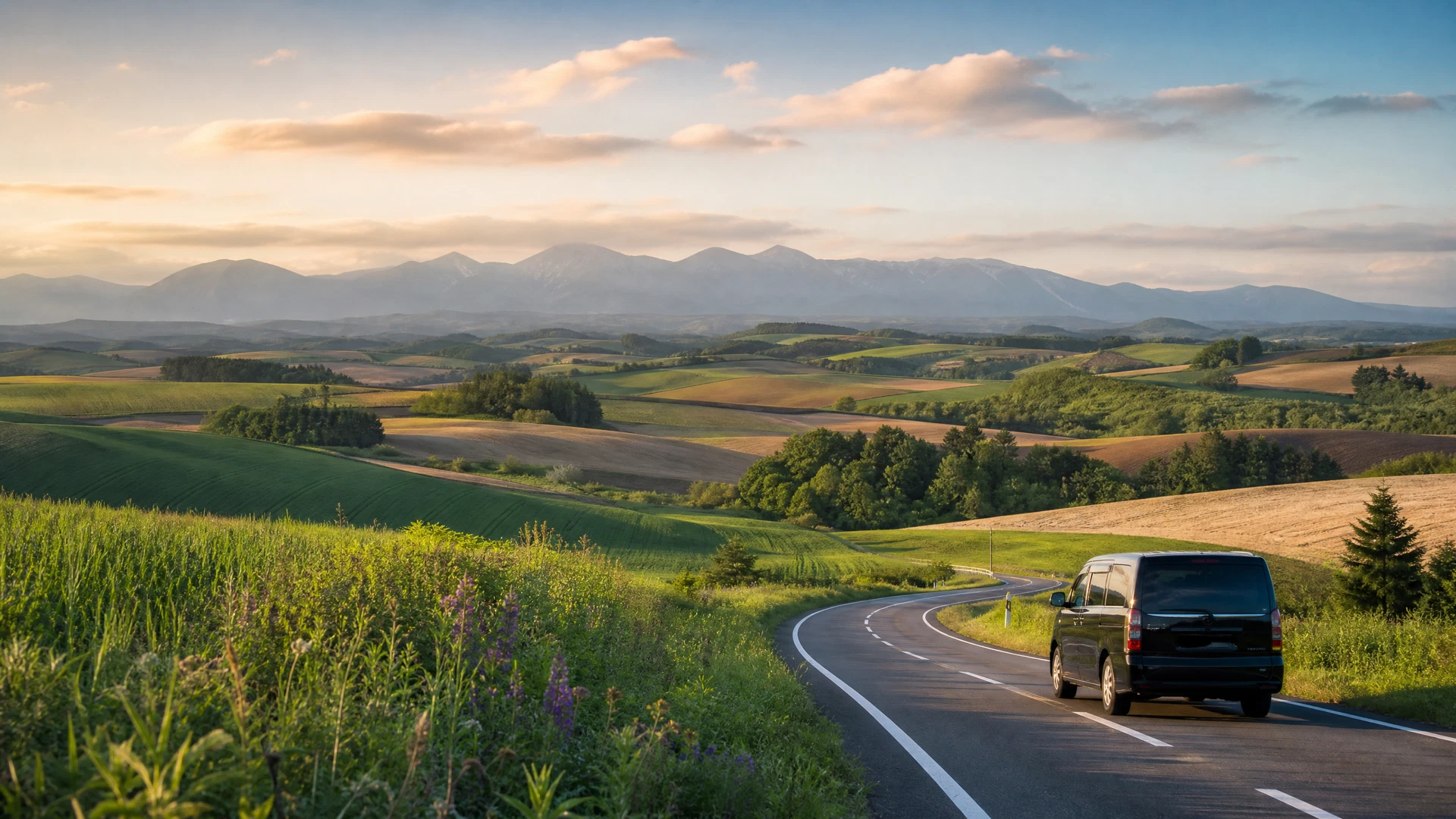
Family travel · a calmer road day
Travelling Hokkaido with Children: Car Seats, Timing, and Comfortable Stops
For children, a successful Hokkaido road day is measured in energy preserved—not in the number of pins crossed off a map.
A Hokkaido route feels better when its pace matches its purpose.
Hokkaido gives families room to travel at a gentler pace, but its distances mean that comfort has to be designed before the car arrives. The best itinerary begins with the children’s rhythm, the busiest luggage moment and the longest road day—not the longest possible list of attractions.
Hokkaido rewards clarity more than speed. Deciding what your day should feel like—rather than trying to see every pin on a map—creates room for weather, local food, and unexpected stops.
A private car is particularly useful when the road between experiences is part of the experience. It lets the route hold together without asking every member of the group to navigate luggage, timetables, or a rushed hotel change.
Ask about child-seat availability as early as possible, and give the information the operator needs to assess the request: each child’s age, height or weight where required by the booking process, and whether the group needs an infant, child or booster-style solution. Do not leave this to a generic ‘family vehicle’ note.
Tell the operator about a stroller, travel cot, carrier, ski equipment or unusually large cases. Passenger capacity and luggage capacity are different questions; airport arrival and hotel-change mornings are the useful capacity test, because that is when every bag is in the vehicle.
Keep the written booking confirmation alongside flights and hotel details. The useful outcome is not a promise of a particular vehicle model; it is confirmation that the vehicle and seating arrangement suit the confirmed group, luggage and route.
Arrival day is rarely the moment for an ambitious sightseeing circuit. Flights, immigration, luggage, snacks and a new environment can use more energy than expected. Give the first transfer a generous margin, choose one easy stop if it genuinely adds value, and protect the hotel check-in or early meal.
On a full sightseeing day, put the highest-priority experience at the part of the day when your family is most resilient. Keep one shorter stop after lunch, and hold one weather-proof alternative rather than trying to force every outdoor viewpoint in poor conditions.
A private car can make it easier to change the order of stops when a child needs a quiet break, but flexibility still works best when the route has a clear purpose. Choose a corridor rather than zigzagging across the island.
Choose stops with easy parking, toilets, a simple walk and an obvious way to return to the vehicle. This does not mean avoiding the landscape; it means pairing a longer scenic stop with a lower-effort café, market, indoor attraction or onsen-town pause.
Food timing matters as much as driving time. Keep snacks and water accessible, state any reservation clearly, and avoid assuming that a rural lunch will be available at the exact moment a child becomes hungry. A slower lunch is often a better investment than one more photo stop.
In winter, build in more time for outerwear, boots and changing weather. In summer, shade, hydration and a less compressed afternoon matter. The family-friendly route is the one that still feels manageable after the final stop.
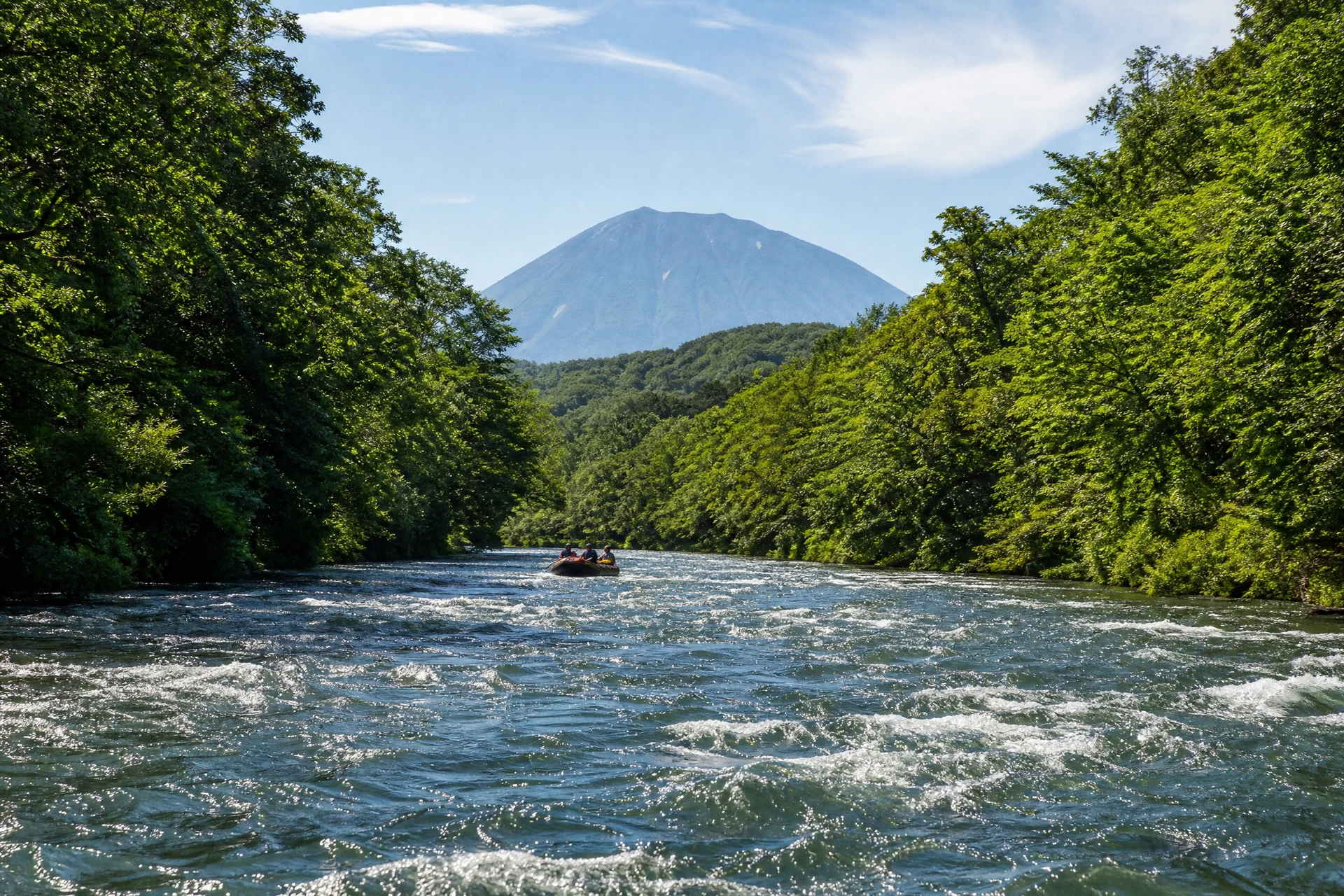
Build around the hardest moment of the day.
| Planning point | Common assumption | More comfortable approach |
|---|---|---|
| Car seats | A general family request is enough. | Provide each child’s relevant details and request written suitability confirmation. |
| Airport arrival | Sightseeing can begin immediately. | Leave time for luggage, snacks, seating, and an easy first transfer. |
| Stops | More stops keep children engaged. | Mix one priority experience with short, accessible breaks and a weather alternative. |
Three choices that protect the group’s energy
A little structure gives the day room to respond to children rather than fighting their rhythm.
Name the fixed points
Flights, timed meals, naps, check-in and any must-see experience should shape the route first.
Plan a comfort stop
Choose a low-effort place with toilets, food or indoor cover before you need it.
Keep one stop optional
Let weather and energy decide whether to add the final viewpoint, walk or shop.
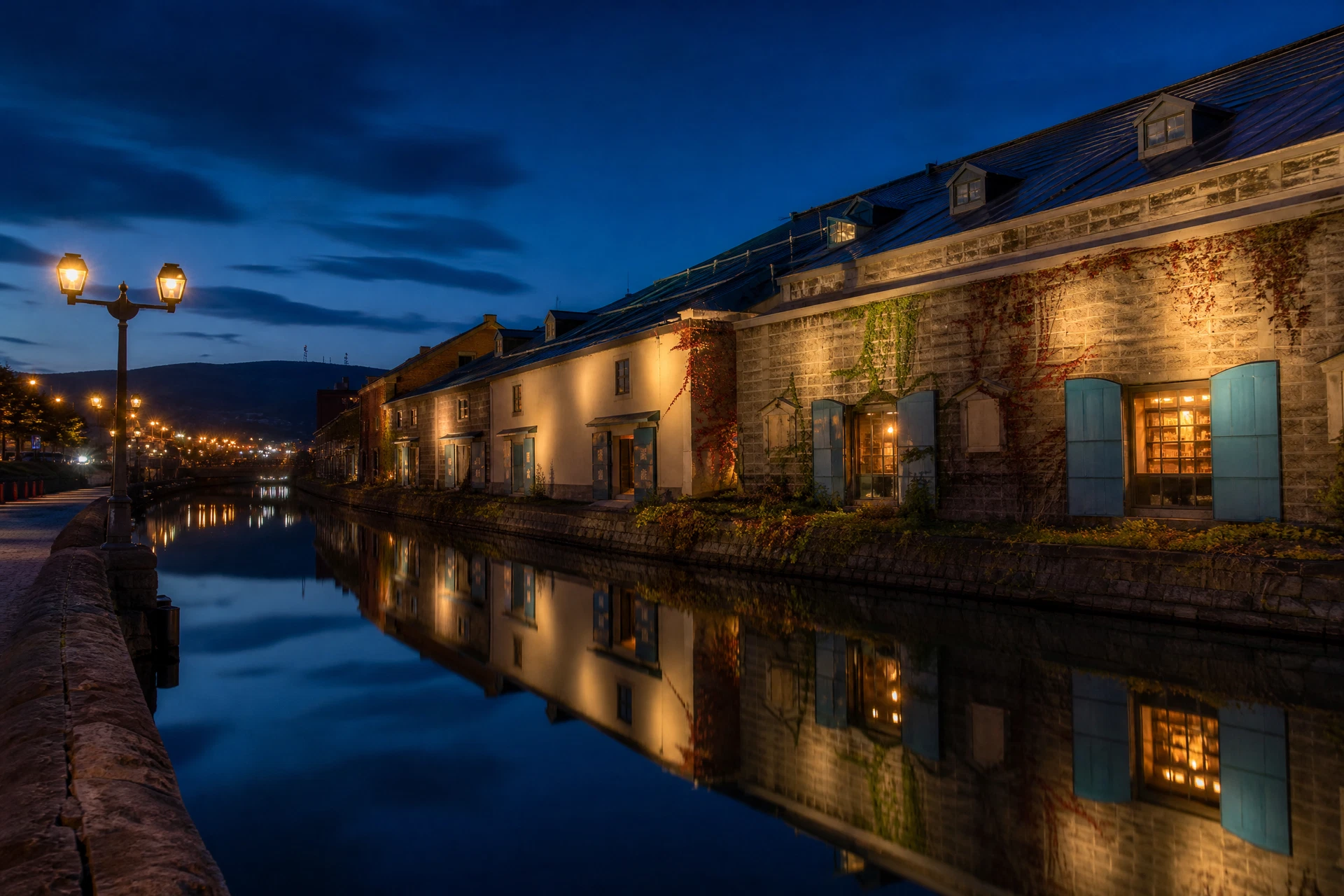
Questions to answer before the road begins.
Can we request car seats for a private Hokkaido transfer?
Share each child’s relevant details during the enquiry and request written confirmation for the booking you are considering.
How many stops should we plan with children?
Choose a small number of meaningful stops, then add short breaks that are easy to leave. Road distance and the group’s energy matter more than a checklist.
Can an itinerary change during the day?
A private route can respond to weather or a needed break, especially when priorities and alternatives are agreed in advance.
Should we do sightseeing after a long flight?
Usually keep arrival day gentle. Plan luggage, food, seating and hotel timing first, then add one easy stop only if the group feels ready.
Build a Hokkaido road day around your family’s real rhythm.
Share children’s ages, luggage, arrival details and priorities. We can help shape a private route with realistic comfort built in.