
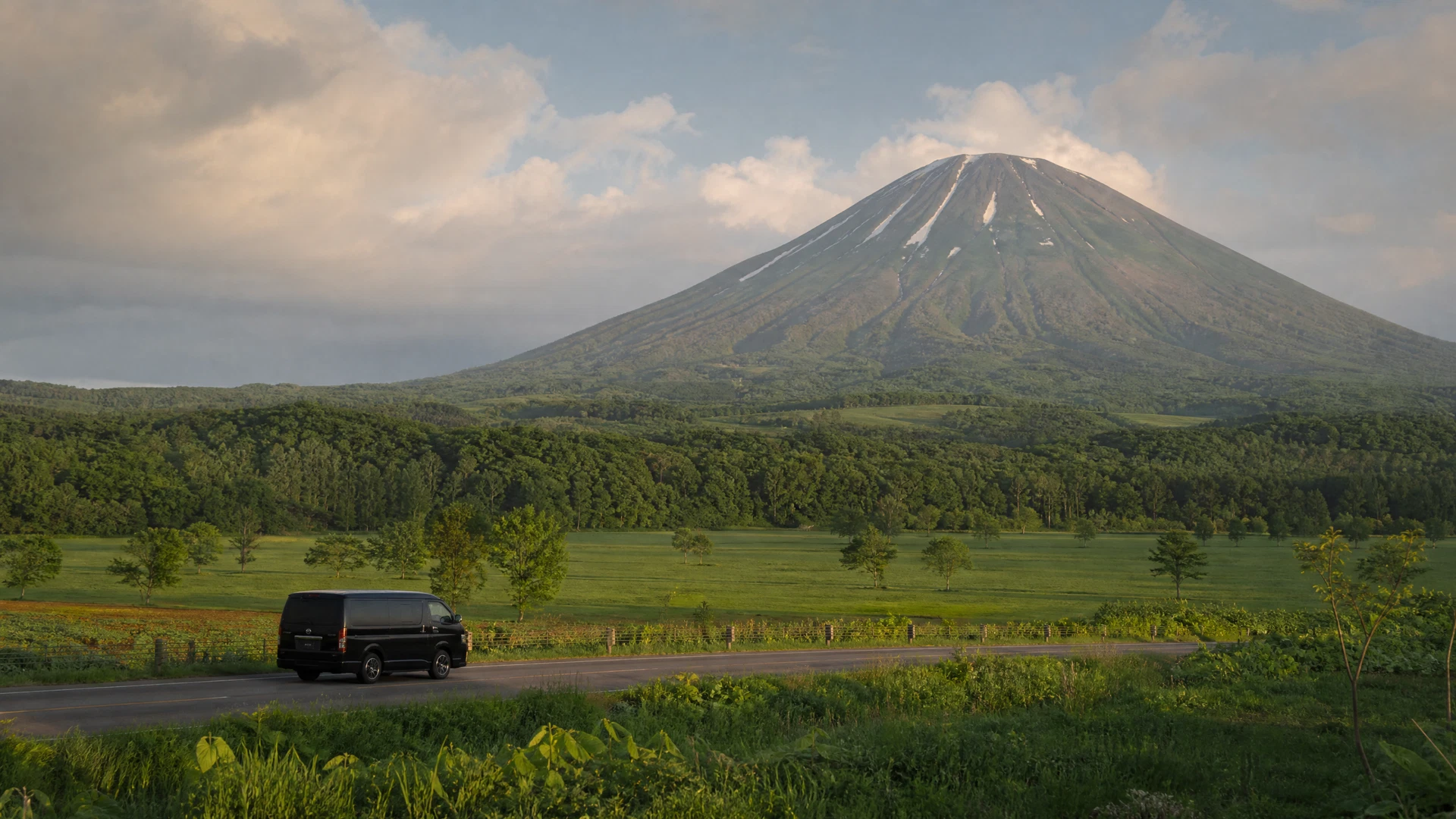
Private route design
How Flexible Can a Private Hokkaido Itinerary Be?
Flexibility is not an unplanned day. It is a route with clear priorities and enough room to make better decisions when conditions change.
A Hokkaido route feels better when its pace matches its purpose.
A private Hokkaido itinerary can change meaningfully during the day, but it cannot ignore distance, weather, venue hours or the group’s energy. The most useful flexibility comes from planning priorities and alternatives before the vehicle arrives.
Hokkaido rewards clarity more than speed. Deciding what your day should feel like—rather than trying to see every pin on a map—creates room for weather, local food, and unexpected stops.
A private car is particularly useful when the road between experiences is part of the experience. It lets the route hold together without asking every member of the group to navigate luggage, timetables, or a rushed hotel change.
Start with fixed points: flight arrival, hotel check-in, timed reservations, a special experience and the final drop-off. These are the anchors of the route. Then identify one or two experiences that matter most to the group and a smaller set of stops that are optional.
This distinction makes choices easier in real conditions. If cloud hides a viewpoint, rain shortens a walk or an arrival runs late, the day can protect its important chapter without trying to preserve every original pin.
A private itinerary is not a promise that every change is possible. It is a coordinated way to choose the best available version of the day while keeping safe driving and realistic timing intact.
Weather often changes the best sequence of a Hokkaido day. A clear morning may favour a distant landscape first; an afternoon shower may make an indoor museum, food stop or onsen town a more useful choice. The route stays coherent when alternatives have the same geographic direction.
Ask for a weather-sensitive priority and a weather-proof alternative in the same general corridor. This is more workable than holding attractions at opposite ends of the island as interchangeable backups.
Road conditions and seasonal daylight also matter. Flexibility should never create a rushed late return, an unsafe road decision or a meal skipped because an earlier stop ran long.
The driver can manage the vehicle and road; guests should communicate the experience they value. Say whether the group would rather protect a scenic view, a relaxed lunch, a short walk, an onsen arrival or extra time at one attraction.
For multi-day travel, use the evening to review the following day. One excellent long day can make a slower next morning more valuable. A forecast can also change which region deserves the best light and most time.
The practical goal is not a constantly changing plan. It is a day that keeps its character when details shift.
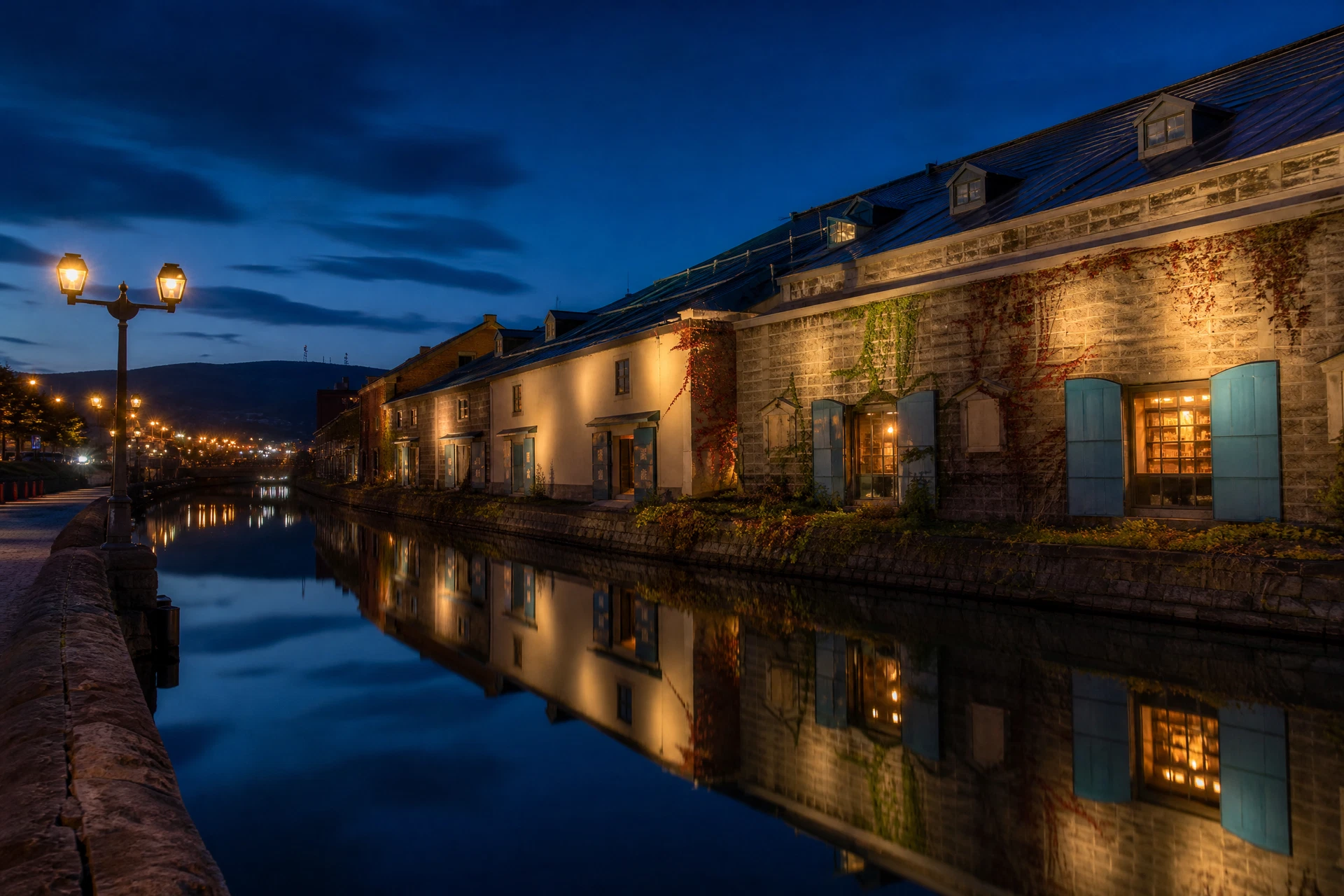
Keep the route adaptable without losing its direction.
| Situation | Rigid response | Flexible private-route response |
|---|---|---|
| Rain at a viewpoint | Force the stop because it is on the list. | Move to an indoor or food-focused option and protect a later scenic window if practical. |
| Late arrival | Try to recover every planned stop. | Keep hotel and essential timing intact, then select one easy first experience. |
| Group energy changes | Continue the route at the same speed. | Reduce optional stops and preserve the experience the group values most. |
Three layers of a flexible day
Plan changes before the weather asks for them.
Anchor the essentials
Flights, hotels, reservations and one priority experience create the route’s stable core.
Choose nearby alternatives
Pair weather-sensitive stops with an indoor, food or onsen option in the same corridor.
Protect the finish
Leave enough time for the final transfer, check-in and the group’s energy at the end of the day.
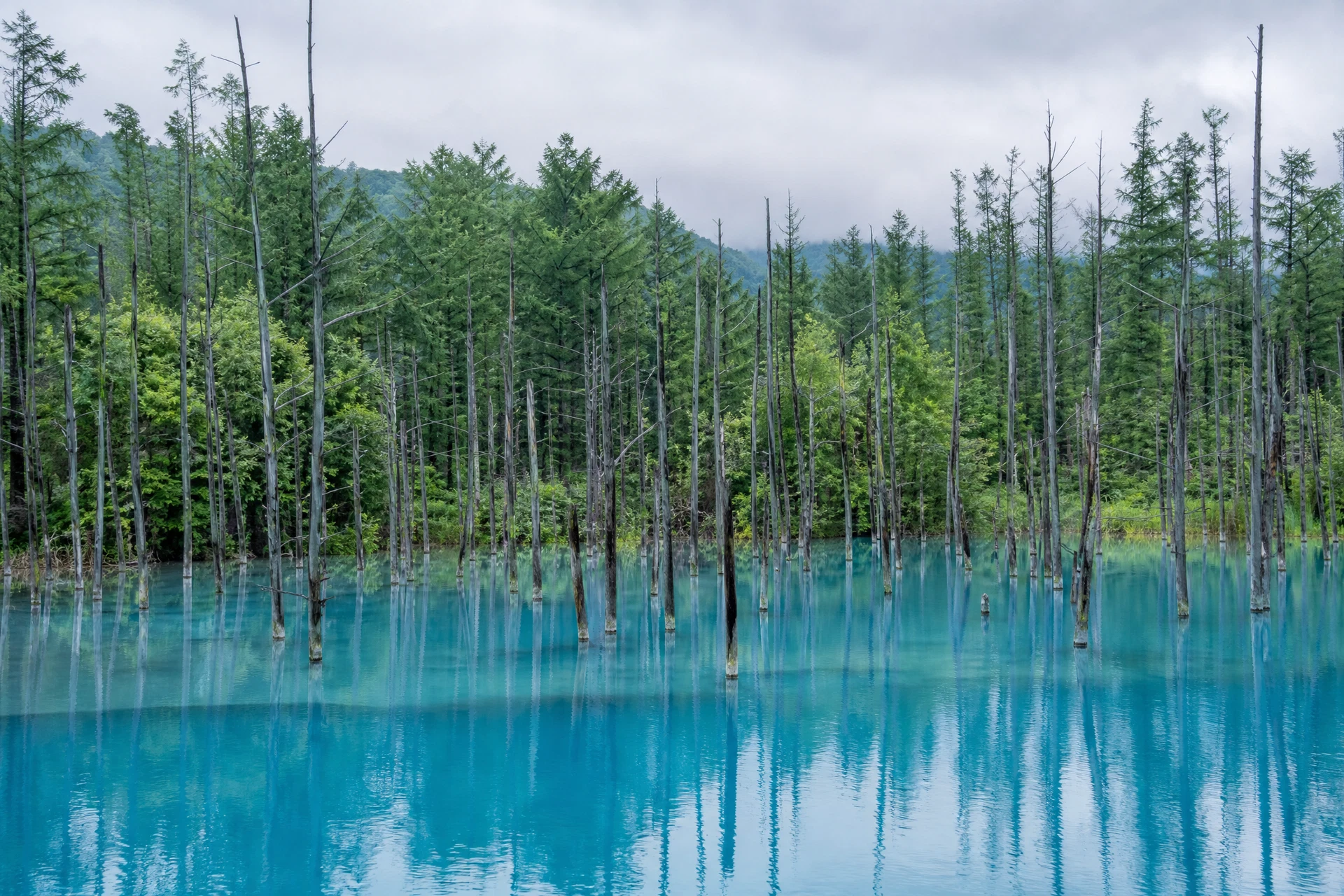
Questions to answer before the road begins.
Can I change the itinerary during a private Hokkaido charter?
Changes can often be considered when timing, distance, road conditions and the confirmed service allow. Agree priorities and alternatives in advance.
What happens if weather changes?
A practical plan can change the order of stops or use a nearby indoor, food or onsen alternative while keeping the day realistic.
Can we add extra stops on the day?
Potential additions depend on route geography, time, road conditions and the group’s pace. Treat them as optional rather than guaranteed.
How do we make a private route flexible?
Name fixed points, choose one or two priorities, and prepare nearby alternatives before travel.
Plan a route with room for the real Hokkaido.
Share your fixed points, priorities and preferred pace. We can help create a private day with sensible alternatives.