

Otaru culture · canal and craft
Otaru’s Glass, Music Boxes, and Canal Warehouses: A Cultural Day Out
Otaru is most rewarding when the canal, old warehouses and craft streets are allowed to unfold at walking pace.
A Hokkaido route feels better when its pace matches its purpose.
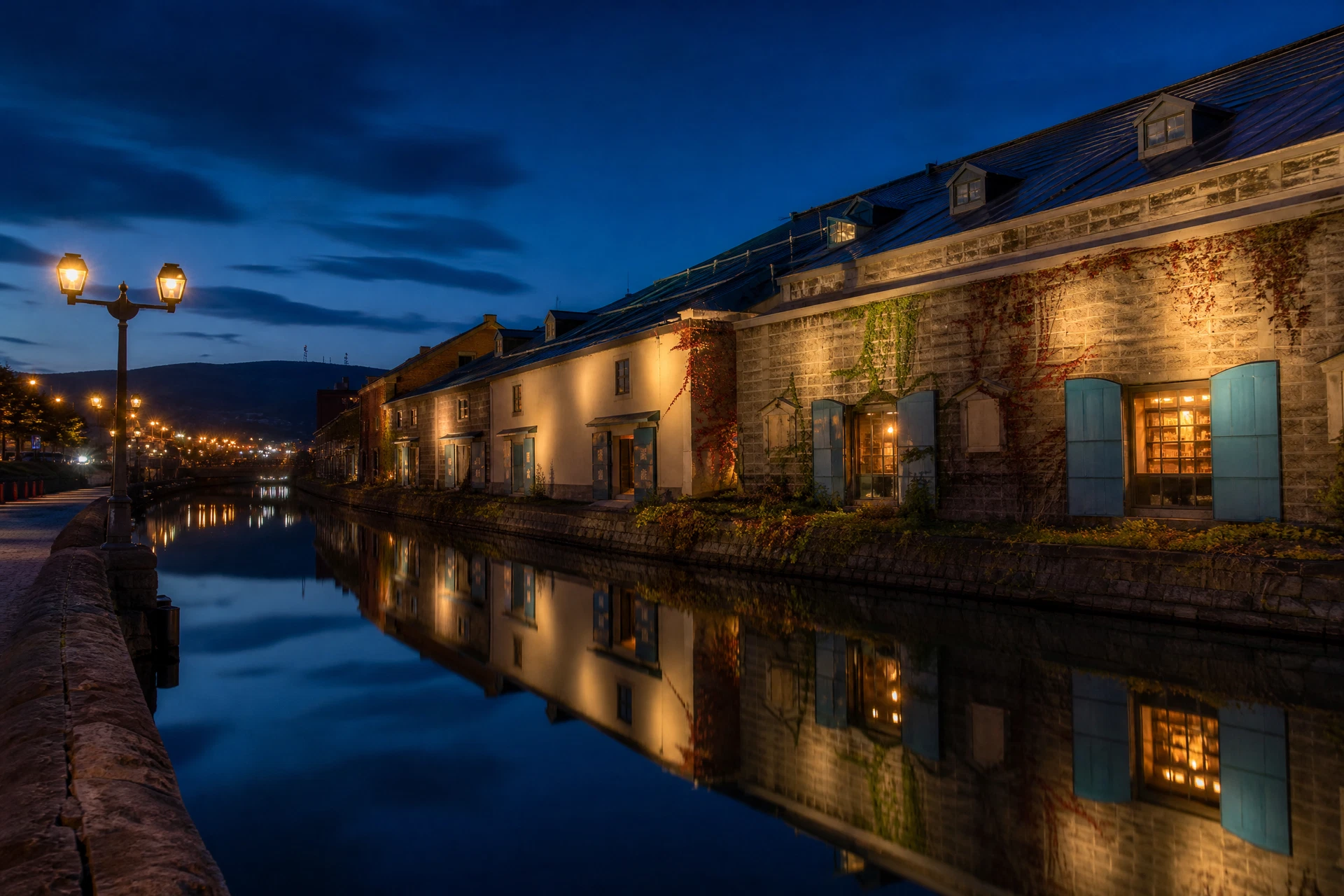
Otaru’s canal and warehouses give the city its first impression, but the most memorable day comes from connecting that harbour history with glass, music boxes, cafés and a slower walk through the streets behind the waterfront.
Hokkaido rewards clarity more than speed. Deciding what your day should feel like—rather than trying to see every pin on a map—creates room for weather, local food, and unexpected stops.
A private car is particularly useful when the road between experiences is part of the experience. It lets the route hold together without asking every member of the group to navigate luggage, timetables, or a rushed hotel change.
Begin with the canal and warehouse district when the light and group energy are good. The waterfront gives a natural orientation before the day moves into smaller craft streets and indoor spaces.
Do not treat every warehouse as a separate attraction. Choose a few places that genuinely match the group’s interests, then leave time for the texture of the area: a side street, a café, a view back to the canal or a small shop.
A private car is useful for the Sapporo-to-Otaru transfer and the return, while the cultural core itself is best experienced on foot.
The official Hokkaido tourism site describes Otaru Music Box Museum as holding about 80,000 music boxes in a historic building, with a steam clock that plays every 15 minutes and nearby workshop experiences.[1] This is not a stop to rush through between distant sights.
Pair the music-box area with one glass experience, then decide whether the group wants browsing, a workshop or simply time to enjoy the streets. Craft shopping carries its own timing: fragile purchases, lunch and weather can all change how much feels comfortable.
Check current opening hours, workshop availability and parking directly with official facilities before travel, particularly during busy periods.
Otaru can be a complete cultural day on its own. Adding Yoichi, a coast drive or a late Sapporo dinner is possible only when the group has chosen what to shorten. More geography does not automatically create a better day.
For a private route, agree whether the priority is an unhurried Otaru walk, a cultural workshop, a food stop or a broader coastal drive. That choice determines the right return time.
Leave a safe place for glass, music boxes and other purchases in the vehicle, and protect the final transfer so the day ends as calmly as it began.
Choose the cultural rhythm that suits your group.
| Day style | Best focus | What to protect |
|---|---|---|
| Canal and warehouses | Waterfront history and atmosphere | A slower walk and good light around the canal. |
| Craft-focused | Glass and music boxes | Time for browsing, workshops and careful purchases. |
| Otaru plus coast | Culture plus a wider road view | A clear choice about which Otaru stops remain essential. |
Three choices for an unhurried Otaru
The city rewards attention more than speed.
Choose a canal window
Start or end near the water when the group can enjoy the walk without pressure.
Pick one craft priority
Decide whether glass, music boxes or a workshop deserves the deepest visit.
Plan the return around purchases
Allow space, time and a secure vehicle plan for fragile souvenirs.

Questions to answer before the road begins.
How long do you need for Otaru?
A full cultural day gives the canal, craft streets and food stops room to breathe. Shorter visits work best with one clear priority.
Can we visit the canal and music-box district in one day?
Yes. Keep the middle of the day flexible and avoid adding distant stops unless the group has a clear pace.
Are Otaru music boxes suitable for a rainy day?
Indoor craft venues can make a useful weather alternative; check current official opening details before travel.
Can a private vehicle hold glass souvenirs?
Plan fragile purchases with the driver and keep space available rather than packing the vehicle tightly at the start of the day.
Build an Otaru day around culture, not clock-watching.
Share your craft, food and coastal priorities. We can help shape a private route with a calm Sapporo return.