
Food culture · Hokkaido
A Food Lover’s Private Driver Guide to Hokkaido
A food-led Hokkaido journey works best when meals shape the route—not when they are squeezed between distant attractions.
A Hokkaido route feels better when its pace matches its purpose.
Hokkaido food is regional. A memorable meal may sit beside a morning market, a dairy landscape, a port, an onsen town or a city neighbourhood. The useful question is not simply what to eat; it is how to arrange the day so a meal, its setting and the journey around it can all be enjoyed without rush.
Hokkaido rewards clarity more than speed. Deciding what your day should feel like—rather than trying to see every pin on a map—creates room for weather, local food, and unexpected stops.
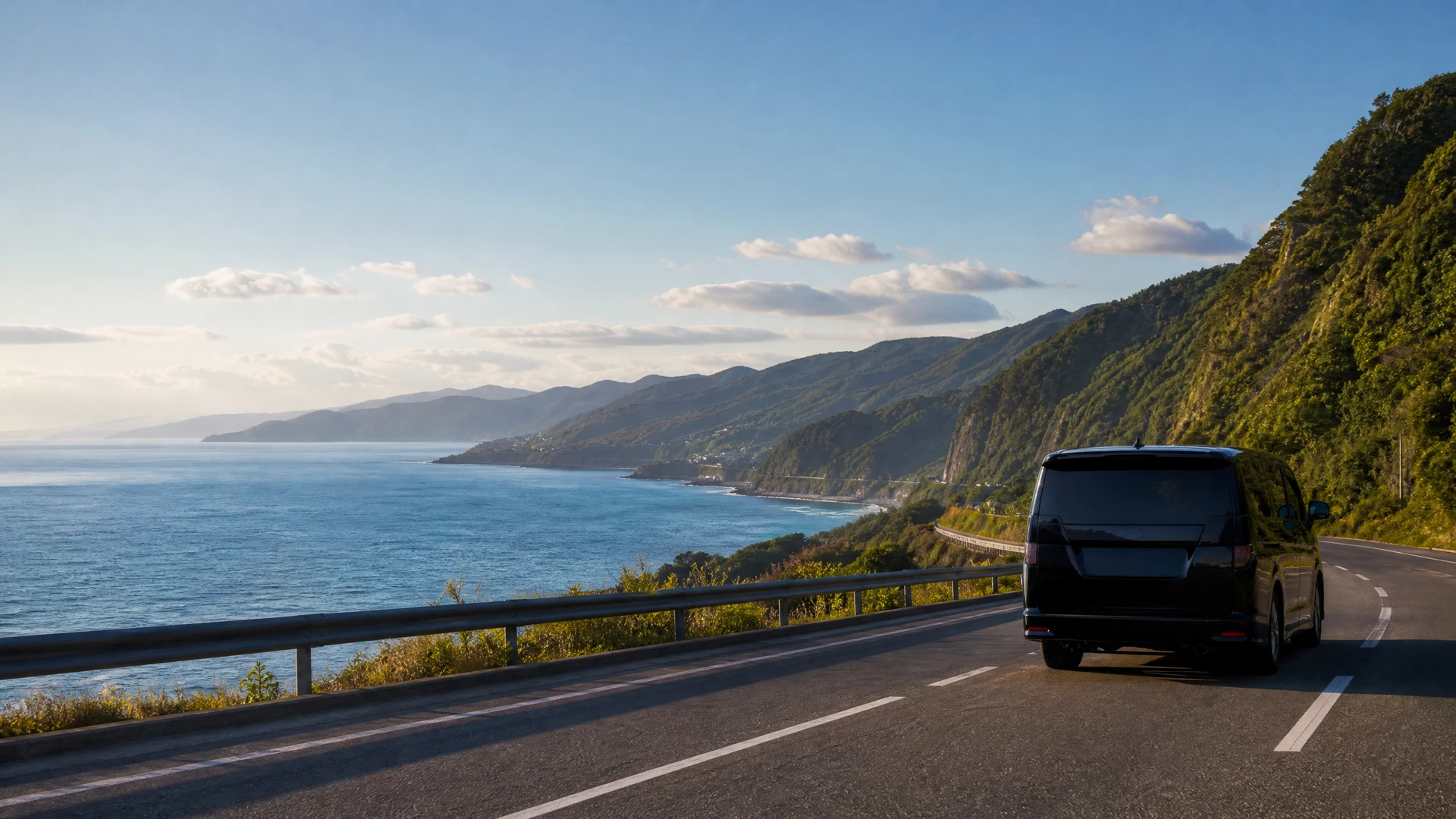
A private car is particularly useful when the road between experiences is part of the experience. It lets the route hold together without asking every member of the group to navigate luggage, timetables, or a rushed hotel change.
Choose one food experience that matters most—a market breakfast, seafood lunch, farm café, ramen dinner or seasonal tasting—and protect its timing. Then build nearby scenery, craft or neighbourhood stops around it rather than crossing the island for unrelated attractions.
Reservations, opening times and arrival time matter. A private vehicle can make a route more comfortable, but it cannot make a kitchen hold a table indefinitely. Share confirmed meal times when planning the day and keep a modest margin before the reservation.
A food-focused route also needs restraint. Two carefully chosen meals plus one local snack often feel richer than trying to collect five famous dishes in a single day.
In summer, farm regions make it easy to pair produce with open roads and slower daylight. In colder months, ramen, seafood bowls, onsen meals and warm indoor stops can give the day a different but equally local rhythm.
Ask what is genuinely seasonal and what requires advance booking. This keeps the itinerary honest and gives the group a reason to return to a district at the right time rather than treating every item as permanently available.
Leave room for small discoveries: bakeries, cheese shops, produce stands and market stalls are easier to enjoy when the route does not demand a minute-by-minute schedule.
Keep sightseeing before a major meal light. Long walks, late arrivals and an overfull morning can turn a special lunch into a rushed appointment. Plan a calm start, a clear parking or drop-off strategy and one easy activity afterwards.
If you buy fragile food, chilled goods or gifts, tell the driver and consider the hotel plan. Food souvenirs are part of luggage planning, especially on multi-night routes.
The best food route finishes well: leave enough space for dinner, a relaxed return or an evening stroll instead of treating the meal as the last item to tick off.
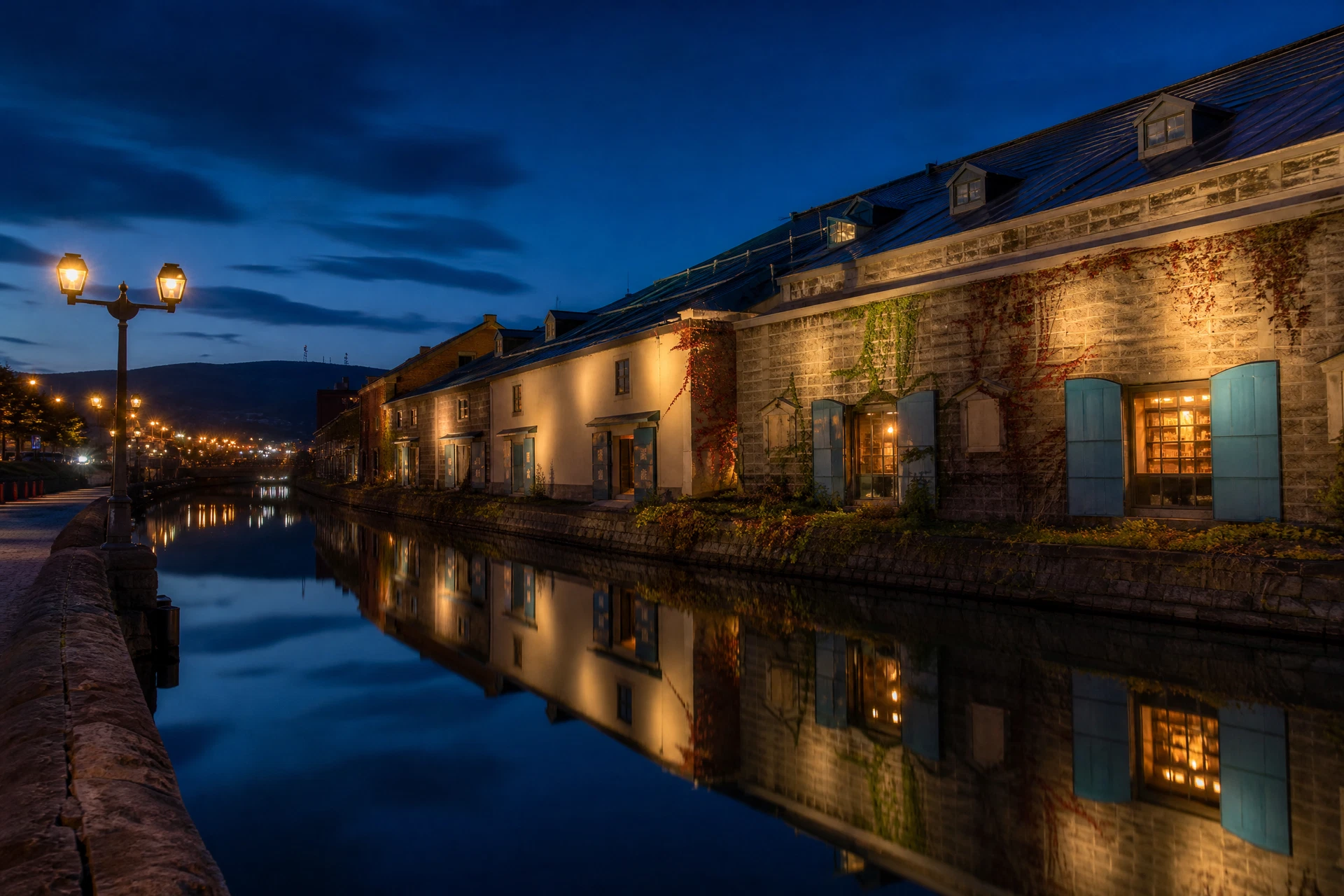
Choose a pace that lets the meal matter.
| Route style | What it risks | Better planning choice |
|---|---|---|
| Many distant food stops | Driving replaces tasting. | Choose one regional theme and a few nearby experiences. |
| Late reservation arrival | A rushed meal or lost table. | Protect a time buffer and share reservations in advance. |
| Unplanned shopping | Fragile or chilled purchases become difficult. | Match food purchases to vehicle space and hotel timing. |
Three questions before choosing a route
A little planning keeps food from becoming another rushed attraction.
What is the day’s anchor meal?
Choose one experience worth protecting, then shape the route around it.
What belongs nearby?
Pair the meal with a market, neighbourhood, coast, farm or craft stop in the same direction.
What can remain optional?
Keep snacks and shopping flexible so the day can respond to appetite and timing.
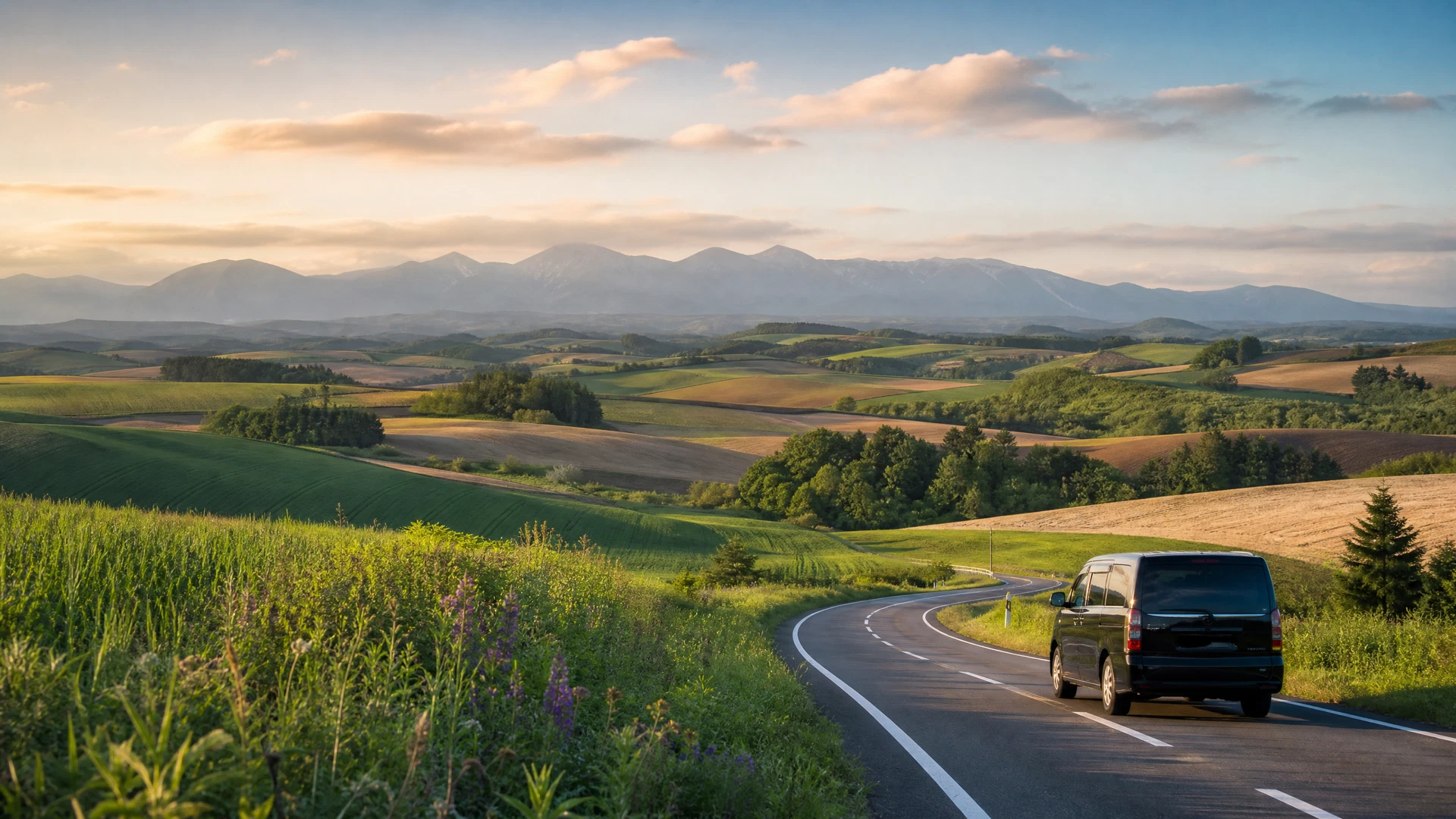
Questions to answer before the road begins.
Can a private driver help plan food stops?
A route can be shaped around confirmed reservations, local areas and realistic driving time. Share priorities early.
Should we reserve restaurants in Hokkaido?
For a special meal or a small venue, confirm current booking requirements directly and give the itinerary a time buffer.
Can we buy food souvenirs during the day?
Yes, but plan for luggage space, fragile items and whether the goods need to reach a hotel quickly.
How many food stops fit in one day?
Usually one anchor meal and a small number of nearby tastings creates the most relaxed experience.
Plan a Hokkaido day around what you want to eat.
Share your food priorities, reservations and pace. We can help shape a private route that gives each meal room to matter.