
Private charter planning
What to Expect from a Private Car Charter in Hokkaido
A private car charter works best when expectations are clear: what the day needs to cover, what can move with the weather, and what information the operator needs before the vehicle arrives.
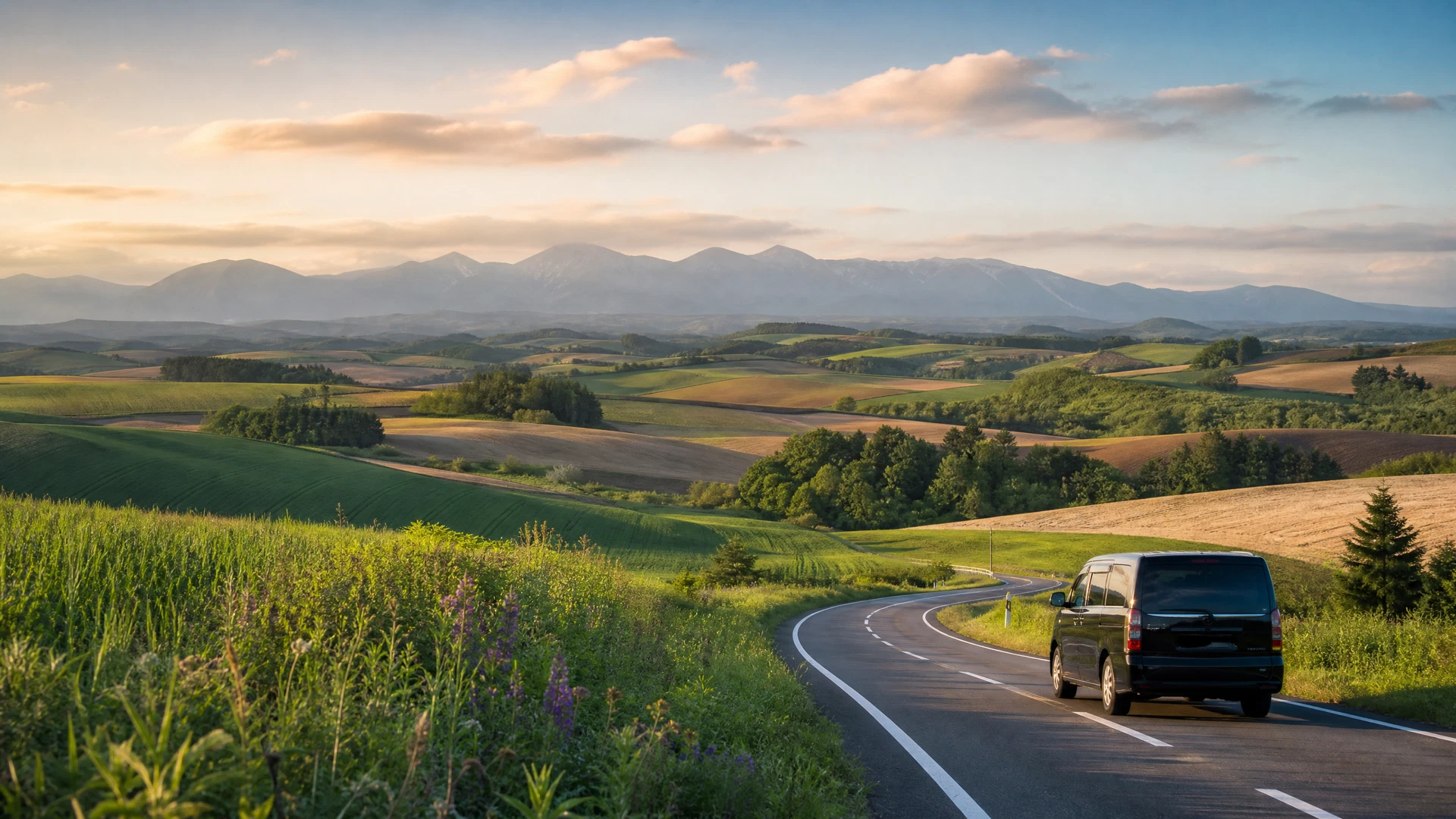
A Hokkaido route feels better when its pace matches its purpose.
A private car charter is not simply a transfer with a longer clock. It is a way of joining airport timing, hotel logistics, sightseeing priorities and road conditions into one coordinated day.
Hokkaido rewards clarity more than speed. Deciding what your day should feel like—rather than trying to see every pin on a map—creates room for weather, local food, and unexpected stops.
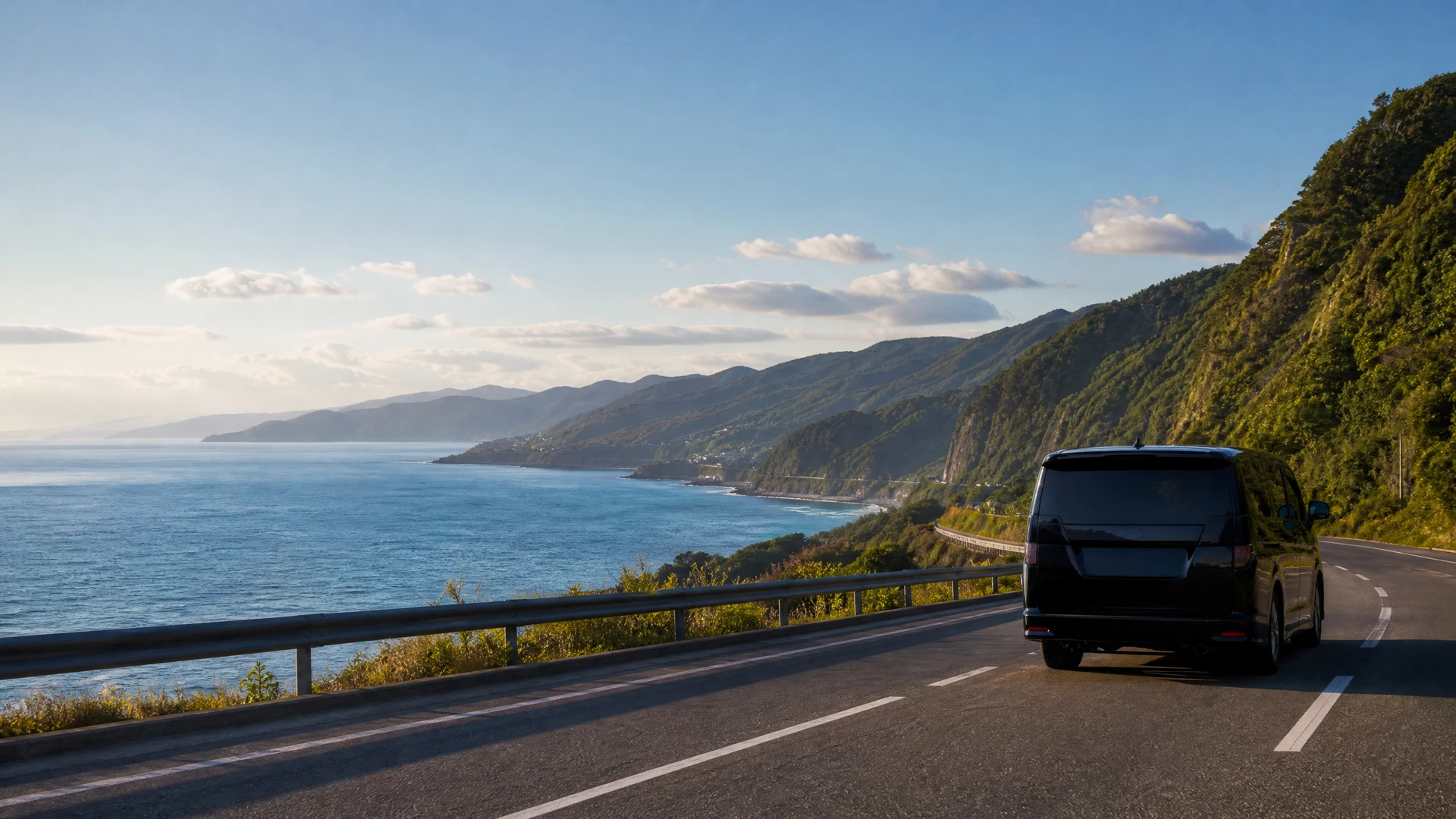
A private car is particularly useful when the road between experiences is part of the experience. It lets the route hold together without asking every member of the group to navigate luggage, timetables, or a rushed hotel change.
A strong enquiry starts with dates, passenger count, luggage, arrival or hotel details, preferred language, mobility needs and the places that matter most. These details influence more than the route: they determine how much time is sensible at each stop and what type of vehicle should be considered.
Give priorities rather than a long, fixed checklist. Name one or two non-negotiable experiences, then list secondary stops that can move if traffic, weather or the group’s energy suggests a different pace. This gives the day a structure without turning it into a race.
Ask what is included in the written quote and clarify practical items before confirming. Exact vehicle assignment, parking or toll arrangements, meal timing, child-seat needs and cancellation conditions should be confirmed in writing for the booking you are considering.
A well-planned charter begins with a clear pick-up point and a realistic first stop. On an airport day, the first hour should absorb luggage, arrivals and the possibility of a delayed flight rather than immediately demanding sightseeing. On a hotel-to-hotel day, luggage access and check-in timing shape the route.
The driver’s role is to operate the vehicle and manage the road. Your role is to communicate priorities early: a child who needs a break, a viewpoint that deserves more time, a lunch reservation, or a change in comfort because of wind or rain. The clearest days are collaborative without requiring the guests to navigate.
Private does not mean unlimited. Road distances, safe driving conditions, venue hours and the group’s pace still set boundaries. The benefit is that these boundaries are managed around your group instead of around a fixed coach timetable.
The best charter days usually do not feel like a list completed at speed. They protect a few meaningful stops, allow time for meals and photographs, and leave enough energy for the hotel or onsen at the end of the day.
For multi-day travel, review the next day each evening. Weather may change the most rewarding route, and one long day may make a shorter following day more valuable. This is particularly important when the itinerary links cities, nature and onsen areas.
If the route has been built around your group rather than copied from a generic circuit, the car becomes part of the travel experience: a quiet place to reset between experiences, not simply transport between pins on a map.
What needs to be clear before the vehicle arrives.
| Planning item | What to share | Why it changes the day |
|---|---|---|
| Fixed timing | Flight, hotel, reservations and final drop-off. | It defines the time genuinely available for sightseeing. |
| Group profile | Passenger count, luggage, children, mobility and preferred pace. | It guides vehicle suitability and realistic stop timing. |
| Flexible priorities | One or two essential experiences plus weather alternatives. | It protects the day when conditions or energy change. |
Three details that make the day smoother
Give the operator enough context to design the right pace before you arrive.
State the fixed points
Share flights, hotels, reservations and any time-sensitive stop before discussing optional sights.
Describe the group
Mention luggage, children, mobility, ski gear and preferred pace so vehicle and route assumptions are realistic.
Keep a weather alternative
Choose an indoor, scenic or food-focused alternative before the day rather than improvising in poor conditions.

Questions to answer before the road begins.
Can a private charter include airport pickup and sightseeing?
It can when timing, luggage and the route are planned realistically. Share flight information and priorities when requesting a quote.
How many stops fit in one day?
That depends on distance, road conditions, venue hours and the pace your group wants. A smaller number of meaningful stops is usually more enjoyable.
Can the plan change because of weather?
A good itinerary should have alternatives. Discuss priorities and weather-sensitive stops in advance.
What should we send in an enquiry?
Dates, group size, luggage, pick-up and drop-off points, key interests, any timed reservations and accessibility or child-seat needs.
Tell us how your day needs to feel.
Send your arrival details, group size, luggage and priorities to begin a realistic private-charter plan.